The Allure of Risk and Reward
The psychology of casino gambling is deeply intertwined with the human fascination for risk and reward. Players are often drawn to the thrill of potentially winning large sums of money, a factor that triggers the release of dopamine—a neurotransmitter associated with pleasure and reward. This chemical reaction creates a euphoric feeling that reinforces gambling behavior, making players more likely to return in pursuit of that high. The anticipation of winning not only keeps players engaged but also pushes them to take increasingly higher risks, leading to a cycle of gambling that can be hard to break. Many people search for the best sports betting promos to enhance their odds, unknowingly deepening their commitment to the thrill.
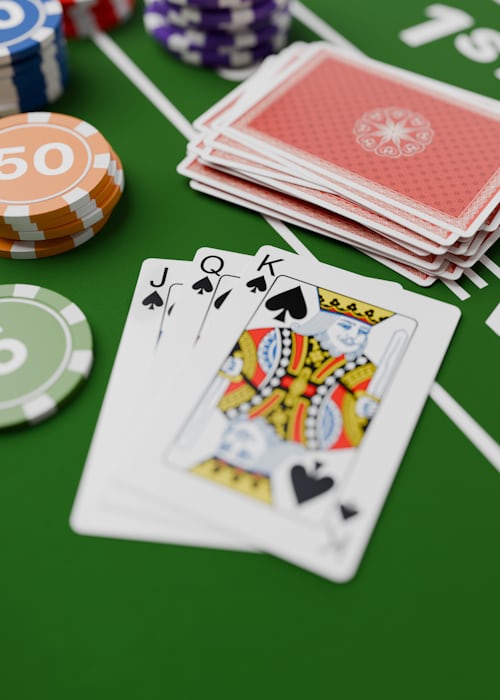
Moreover, the design and atmosphere of casinos are meticulously crafted to enhance this thrill. Bright lights, engaging sounds, and the excitement in the air all serve to heighten emotional responses and create a sense of urgency. This environment amplifies the players’ desire to gamble, often overshadowing the risks involved. As players bask in the excitement of the moment, their decision-making processes may become clouded, leading to impulsive choices. Understanding this psychological dynamic sheds light on why individuals are often drawn into the gambling experience.
The Role of Cognitive Biases
Cognitive biases play a significant role in how individuals approach gambling. One powerful bias is the illusion of control, where players believe they can influence outcomes despite the inherent randomness of casino games. This belief can prompt players to engage in superstitious behaviors, such as choosing specific numbers or rituals before making bets. Such actions reinforce their sense of agency, making it more challenging to recognize that the games are purely based on chance.
In addition, the gambler’s fallacy—where players assume that previous outcomes can influence future results—also affects decision-making. For instance, if a player witnesses a series of losses, they may believe that their chances of winning increase with each loss. This flawed thinking can lead to chasing losses, further entrenching them in their gambling habits. By exploring these cognitive distortions, we gain insight into how psychology not only motivates players but also fuels their decisions at the casino.
Emotional Triggers and Gambling
Emotions significantly impact gambling choices. Players often gamble as a form of escape, using it to alleviate stress, anxiety, or depression. This emotional attachment to gambling can create a cycle where the act of gambling provides temporary relief from negative feelings, reinforcing the habit. The social aspect of gambling, such as sharing experiences with friends or engaging with others in the casino, can also enhance emotional connections, making it a preferred activity for many seeking camaraderie and enjoyment.
Furthermore, wins and losses can evoke strong emotional reactions. A major win can lead to elevated moods and an increased likelihood of returning to the casino, while a loss may prompt feelings of frustration that can lead to further gambling as players attempt to reclaim what they lost. This emotional roller coaster adds complexity to the gambling experience, driving players’ choices in ways that become increasingly difficult to manage.
Casino Strategies and Player Manipulation
Casinos utilize various strategies to attract and retain players, often leveraging psychological principles to manipulate choices. One popular method is the use of rewards and incentives, such as player loyalty programs that encourage frequent visits. These programs exploit the human propensity to seek rewards, creating a sense of accountability among players to keep returning to the casino. Even small rewards can significantly affect behavior, making it more tempting for players to gamble more frequently.
In addition, the layout of the casino is designed to maximize engagement. Slot machines, for example, are often positioned for easy access, drawing players into their vicinity. The constant sound of wins, alongside the visual stimulation of colorful displays, fosters an environment where players feel compelled to try their luck. By understanding the psychological tactics casinos employ, players can become more aware of the influences at play, potentially leading to more informed choices in their gambling habits.

Conclusion: Understanding Gambling Psychology at Our Site
As we’ve explored, the psychology behind casino gambling reveals many layers that influence player behavior. From the allure of risk and the impact of cognitive biases to emotional triggers and casino strategies, understanding these elements can empower individuals to make more informed decisions about their gambling habits. This awareness is particularly crucial in a landscape where gambling can quickly escalate from a recreational activity to a potential addiction.
On our website, we aim to provide valuable insights and resources for those interested in learning more about gambling psychology, helping players navigate their choices responsibly. Whether you’re a seasoned gambler or a newcomer, fostering understanding around these psychological influences can enhance your experience while promoting significant self-awareness in your gambling journey.