Review
Plinko-style casino-games have surged in popularity among UK players‚ promising quick rounds and simple mechanics: drop a ball‚ watch it bounce‚ win or lose. This review focuses on an online Plinko game commonly found in UK-facing casinos and examines a recurring concern in forums and chats — are the plinko balls fake? We look at gameplay‚ fairness‚ regulatory context‚ and practical steps a UK player can take to protect themselves.
How the Game Works
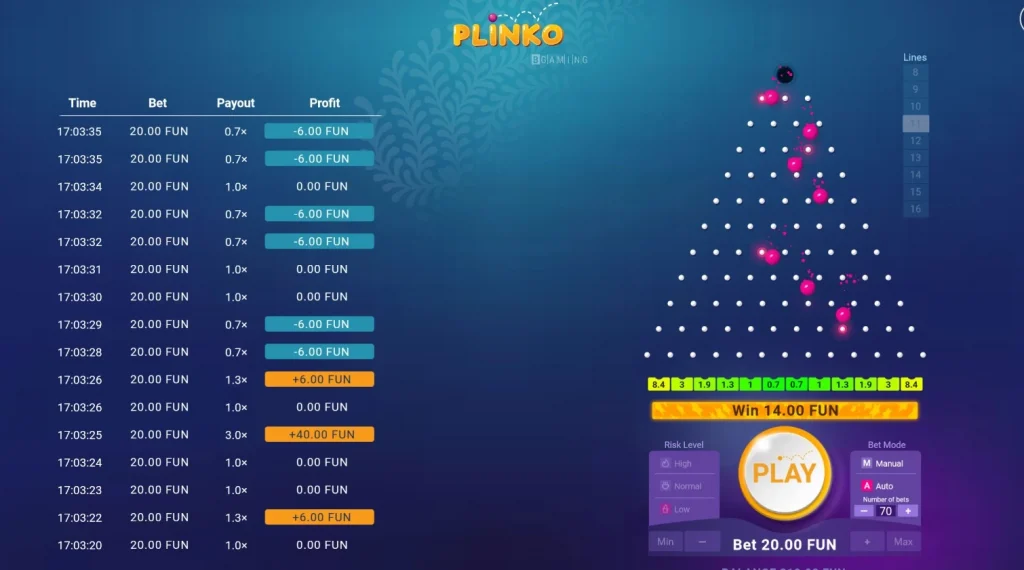
Basic Mechanics
The Plinko casino-game typically presents a triangular pegboard. Players select a stake and a column to drop a virtual ball. As the ball descends it bounces between pegs‚ eventually landing in a slot which determines the payout. Multipliers assigned to slots vary and may be dynamic depending on the provider’s rules or special promotional rounds.
Randomness and RNG
Reputable providers claim that outcomes are governed by a Random Number Generator (RNG). However‚ some players use the phrase “plinko balls fake” when describing rounds that appear non-random — sequences of unlikely hits‚ extended losing streaks‚ or sudden jackpot withdrawals following a series of near-misses. UK players often question whether the visual ball is merely an animation and whether outcomes are predetermined behind the scenes.
Fairness and Regulation in the UK
The UK Gambling Commission (UKGC) regulates licensed operators. A licensed operator must ensure game fairness‚ independent testing‚ and transparent RTP (return to player) figures. If a game is legitimately RNG-driven‚ the animated ball is typically a visualisation of a mathematically determined outcome. Nevertheless‚ the visual may not reflect a physical physics simulation; it can be an animation representing a number drawn by the RNG.
Signs Players Describe as “Plinko Balls Fake”
- Sequences that feel non-random: many consecutive low multipliers despite similar stakes.
- Perceived targeting: a belief that the game withholds big wins until certain conditions (e;g.‚ deposit size‚ account history) are met.
- Animations that visibly repeat patterns or look pre-rendered.
- Inconsistent RTP reporting between demo mode and real-money rounds.
Practical Advice for UK Players
If you suspect “plinko balls fake” or otherwise unfair play‚ follow these steps:
- Check the casino’s UKGC license and the provider’s testing certificates (eCOGRA‚ GLI‚ iTech Labs).
- Play the demo to compare behaviour but remember demos may not reflect real-money components like progressive jackpots.
- Record suspicious sessions: timestamps‚ stake size‚ and screenshots or screen recordings.
- Contact casino support and request logs or evidence; regulated casinos should respond and escalate to the provider if needed.
- If dissatisfied‚ file a complaint with the UKGC or ask for mediation by an independent dispute resolution service used by the casino.
Demo Versus Real Money
Demo mode is useful for learning mechanics and spotting obvious animation loops. However‚ be aware that demo stakes and virtual credits often bypass account-level triggers like loyalty tiers‚ deposit thresholds‚ and bonus rules. These triggers can affect promotional offers‚ but should not alter the RNG fairness for individual rounds in a licensed environment.
Interview with a Player Who Won in a Casino-Game
Conversation Highlights
Interviewer: Tell us about your win and whether you felt the balls were real.
Winner (UK player): I was playing a Plinko variant on a UK-licensed site. I put in a moderate stake and got a big multiplier in the third drop. The animation looked the same as always — no glitch‚ just a lucky path. I don’t obsess over whether the ball is physically simulated. As long as the casino is regulated and the provider is certified‚ I accept that the outcome is random even if the ball itself is an animation.
Interviewer: Did you try demo rounds first?
Winner: Yes. I used demo mode to familiarise myself. The main difference was the thrill when actual money was on the line‚ but the sequences looked similar.
Questions and answers
Frequently asked questions
- Q: Is the Plinko ball fake? A: The visual ball is often an animation representing an RNG result‚ not a physical object. That does not necessarily mean the outcome is manipulated if the provider is certified.
- Q: How can I verify fairness? A: Look for independent testing certificates‚ UKGC licensing‚ and transparent RTP figures.
- Q: Should I avoid Plinko games? A: Not necessarily. Understand volatility‚ set limits‚ and choose licensed casinos.
Expert feedback
Experienced Player
“From my experience‚ the perception of ‘fake’ often stems from cognitive bias. Humans look for patterns. When you’re unlucky‚ it feels rigged. That said‚ transparency from providers helps; a published RTP and test reports reduce suspicion.”
Where to Play in the UK
Choose casinos licensed by the UKGC. Popular UK-friendly casinos often list their licences and testing labs in the footer. Cross-check provider names and game titles for independent audit reports. Avoid offshore or unlicensed operators that don’t provide verifiable certification.
Interface and User Experience
A good Plinko interface should be clear about stake ranges‚ available multipliers‚ game rules‚ and bet history. Transparency panels and accessible game rules reduce the “plinko balls fake” suspicion among players. Smooth animations are fine‚ but also useful are history logs and an accessible RTP link.
General Rules
Rules vary by provider‚ but typically: choose bet size‚ select drop column (if applicable)‚ and confirm drop. Multipliers and some slots can be locked behind buy-in or bonus mechanics. Read the specific game’s paytable and bonus terms before staking real money.
Table
With the main parameters of the game
| Parameter | Typical Value |
|---|---|
| RTP | Variable (commonly 90–98% depending on variant) |
| Volatility | Medium to High |
| Stake range | £0.10 – £100 (varies by casino) |
| Provider transparency | Check for independent testing badges |
Chances of Winning
Exact chances depend on the game variant and payout matrix. High multipliers are rare by design. Expect frequent small returns and occasional larger hits. If a provider lists RTP‚ use that as a general guide‚ but remember RTP is theoretical over millions of rounds.
Final Verdict
“Plinko balls fake” is a phrase born from suspicion when visuals don’t align with player expectations. For UK players‚ the clearest protection is to play only at UKGC-licensed casinos and to verify providers’ independent testing. The ball’s animation is often a visual representation of an RNG result, not a physical simulation — but this is acceptable if audited. Keep stakes sensible‚ use demo mode to learn‚ and escalate any fairness concerns through proper channels.
How to questions
How to report suspected unfairness?
- Gather evidence (screenshots‚ logs‚ timestamps).
- Contact casino support and request clarification and game logs.
- If unresolved‚ file a complaint with UKGC or an independent ADR service.
Stay informed‚ choose licensed operators‚ and treat Plinko as entertainment with volatile outcomes — the animated ball may be virtual‚ but responsible play and regulatory safeguards help ensure it’s not “fake” in a way that harms players.